Pekin
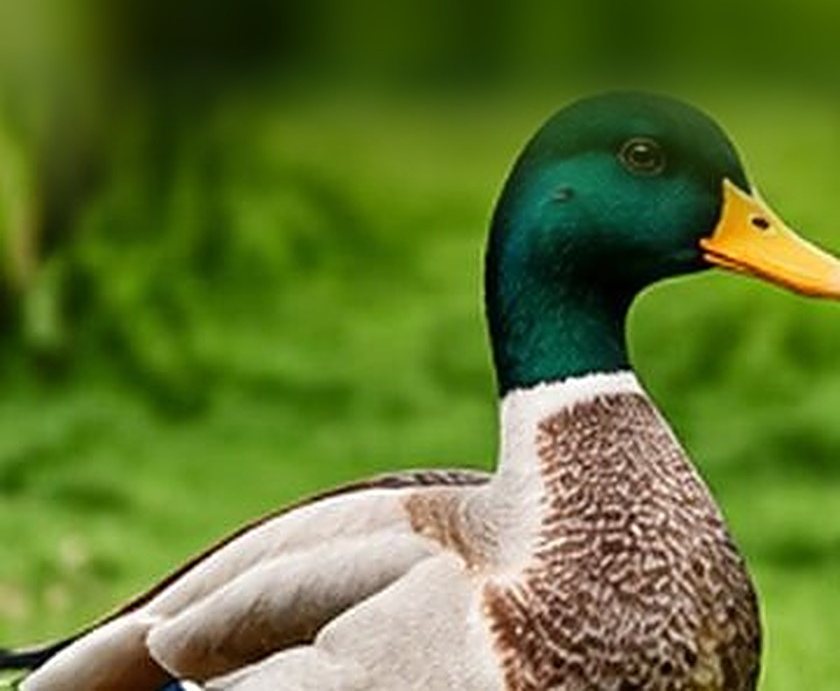
The most popular commercial duck worldwide. Rapid early growth — reaches market weight by 7–8 weeks. Calm and easy to manage.
Ask about PekinAt Vinfarm Solutions, ducks and geese are part of our integrated farm. We keep meat and egg breeds, sell ducklings, goslings and hatching eggs, and teach waterfowl keeping.
Ducks and geese suffer from fewer diseases than chickens and cope well with rain and cold. They graze grass and weeds and eat insects, snails and fallen grain, which lowers feed costs.
Pekin ducks reach market weight in 7–8 weeks, Muscovy in 10–12 weeks and geese in 12–16 weeks on good pasture. Duck eggs weigh 65–85 g, and egg breeds such as Khaki Campbell lay 250 or more a year. Geese are loud, alert guards.

| Bird | Night house | Outdoor run |
|---|---|---|
| Ducklings 0–3 wks | 0.05–0.1 m² (brooder) | Not needed |
| Growing ducks 3–8 wks | 0.2 m² | 1 m² |
| Adult ducks | 0.3–0.4 m² | 1.5–2 m² |
| Adult geese | 0.6–1 m² | Pasture: 20–40 per acre |
No. Ducks and geese live and grow well without swimming water. A small pool helps the fertility of heavy breeds such as Pekin and Toulouse, and birds enjoy it, but it must be kept clean.
Meat, egg and dual-purpose waterfowl.
The most popular commercial duck worldwide. Rapid early growth — reaches market weight by 7–8 weeks. Calm and easy to manage.
Ask about PekinVery lean, red meat with lower fat than Pekin. Hardy and forages well. Popular for free-range systems. Excellent broody mother.
Ask about MuscovyStands almost upright like a penguin. One of the best duck egg layers — rivals good chicken breeds. Outstanding forager and snail hunter.
Ask about Indian RunnerOne of the highest egg-producing ducks globally, on par with the best laying hens. Hardy, active and easy to feed.
Ask about Khaki CampbellSlender and elegant with a distinctive knob on the bill. The best egg-laying goose breed. Often used as a "watch goose" — very vocal and alert.
Ask about Chinese GooseMuch larger and calmer than Chinese Goose. One of the heaviest domestic goose breeds. Prized for meat and as a show bird.
Ask about African GooseThe largest and most popular white meat goose. Fast-growing and efficient. Pure white feathers make processing cleaner.
Ask about EmbdenLarge, heavy French breed traditionally used for foie gras production. Very calm and slow-moving. Requires good feed to achieve full weight.
Ask about ToulouseIllustrated, practical guides from the Vinfarm Farming Library. Pay with M-Pesa and download straight away.

Breeds, housing, brooding, feeding, breeding, health and marketing.
Get the guide
Incubation and brooding for all poultry.
Get the guideTap a topic to book a farm visit or training.
Straight from the Vinfarm Shop. Add to cart and check out on WhatsApp; we confirm price, availability and delivery before you pay with M-Pesa.
Waterfowl sleep on the floor, so the night house must be dry: build on raised ground with 10–15 cm of litter, a solid lower wall with mesh above, and a wide, low door so birds walk in calmly.
Track flocks, hatching, brooding, egg production, feeds, costs and sales for ducks, geese and all your poultry.
No. They grow well without swimming water; a small, clean pool helps heavy breeds mate but must be changed every 2–3 days.
Pekin grows fastest (3–3.5 kg at 7–8 weeks). Muscovy is the hardiest, quietest duck with lean red meat and is the most common in Kenya.
Khaki Campbell and Indian Runner: up to 250–300 eggs a year.
Yes: ducklings, goslings, mature geese pairs and duck and goose hatching eggs are listed in the shop above. Call +254 720 336 363 for availability.
From about 6 weeks, good short pasture can supply most of their food; give a little grain in the evening to bring them home.
Contact Vinfarm Solutions today.