Turbo, Eldoret, Kenya +254 720 336 363
Vinfarm Guinea Fowls

Guinea Fowls

Hardy Birds. Natural Pest Control. Healthy Meat and Eggs.

We rear different varieties of guinea fowls including Dotted, Lavender, White and Vulturine. Guinea fowls are hardy, disease resistant, excellent for free range systems and ideal for both meat and egg production.
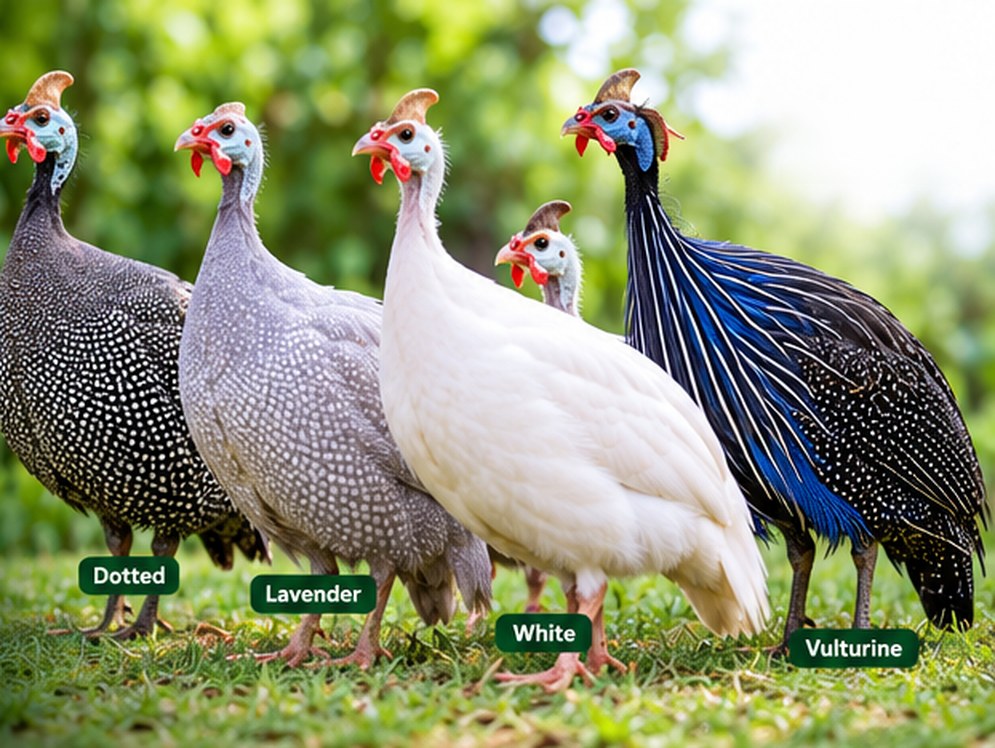
Dotted, Lavender, White and Vulturine guinea fowls
Hardy & Disease Resistant
Natural Pest Control
Good Egg Production
Quality Meat
4 Varieties

Our Guinea Fowl Varieties

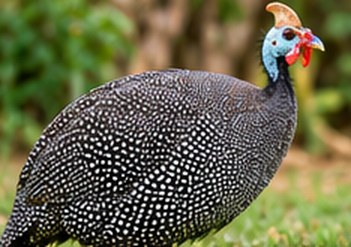
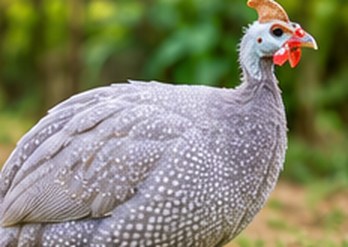
Dotted Guinea Fowl

Dotted Guinea Fowl

  • Most common variety
  • Grey with white spots
  • Hardy and adaptable
  • Good egg and meat production
  • Excellent for free range systems
Ask about Dotted Guinea Fowl
Lavender Guinea Fowl

Lavender Guinea Fowl

  • Unique soft lavender colour
  • Attractive and rare
  • Good egg production
  • Hardy and disease resistant
  • Ideal for breeding and exhibition
Ask about Lavender Guinea Fowl
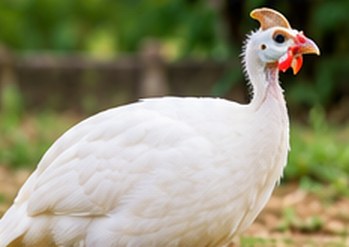
White Guinea Fowl

White Guinea Fowl

  • Pure white plumage
  • Calm temperament
  • Good egg production
  • Popular for meat and breeding
  • Suitable for free range and semi-intensive systems
Ask about White Guinea Fowl
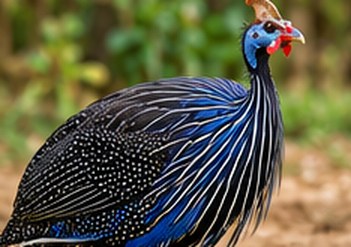
Vulturine Guinea Fowl

Vulturine Guinea Fowl

  • Striking blue and black plumage
  • Very attractive and unique
  • Popular for ornamental and conservation value
  • Hardy and adaptable
  • Suitable for breeding and display birds
Ask about Vulturine Guinea Fowl

Products From Guinea Fowls

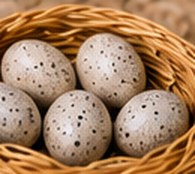
Guinea fowl hatching eggsHatching EggsFertile eggs for breeding and hatching.
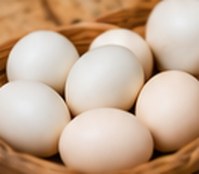
Guinea fowl table eggsTable EggsNutritious and delicious eggs.
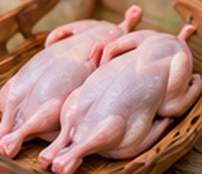
Dressed guinea fowlGuinea Fowl MeatLean, healthy and tasty meat.
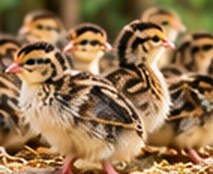
Guinea fowl chicks (keets)Day Old ChicksChicks available in all varieties.

Key Advantages

  • Hardy and disease resistant
  • Natural pest control (eat insects, ticks, snakes)
  • Good egg production (70–150 eggs per year)
  • Good for free range and low input systems
  • Lean, flavourful and healthy meat
  • Adaptable to different environments
  • Suitable for small and large scale farming

Housing and Management

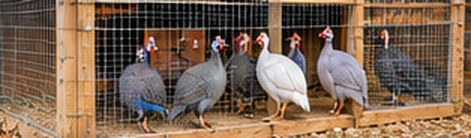
Guinea fowls in a wire-mesh house
  • Well ventilated house with perches
  • Secure from predators
  • Provide nesting areas for eggs
  • Adequate space (1–1.5 m² per bird)
  • Access to outdoor run or free range
  • Clean and dry litter

Feed and Nutrition

Grain feed
  • Commercial poultry feed (starter, grower, layer)
  • Can also use farm-made feeds (maize, bran, sunflower)
  • Supplement with green forage, vegetables and insects
  • Provide clean, fresh water at all times
  • Add minerals and vitamins for better production

Management Tips

Guinea fowl head close-up
  • Keep in groups (minimum 6 birds)
  • Provide free range during the day
  • Vaccinate and control parasites
  • Collect eggs daily
  • Separate breeding, growing and laying birds
  • Provide shelter from extreme weather
  • Monitor health regularly

Our Guinea Fowls at Vinfarm

Real photos of our guinea fowls at Vinfarm are being added. Want to see them now? Book a farm visit.

Buy from Vinfarm

Straight from the Vinfarm Shop. Add to cart and check out on WhatsApp; we confirm price, availability and delivery before you pay with M-Pesa.

Loading products… You can also browse the Poultry section of the shop.

What We Offer

  • Eggs: hatching and table
  • Day old chicks (all 4 varieties)
  • Breeding stock
  • Guinea fowl meat
  • Training and farm visits
  • Guidance and support

Learn: Farm Guides

Illustrated, practical guides from the Vinfarm Farming Library. Pay with M-Pesa and download straight away.
Hatchery & Brooding guide cover
Hatchery & Brooding

Incubation and brooding for all poultry.

Get the guide
Poultry Health guide cover
Poultry Health & Vaccination

Biosecurity, vaccination and common diseases.

Get the guide

Manage Your Guinea Fowls With AgriPlan

Track flocks, hatching, brooding, egg production, feeds, costs and sales for guinea fowls and all your poultry.

  • Flock records
  • Hatchery and brooding
  • Egg production
  • Feeds and costs
  • Health and treatments
  • Sales and reports
Explore AgriPlan
?

Frequently Asked Questions

Which guinea fowls do you keep?

Four varieties: Dotted (the most common, grey with white spots), Lavender (soft lavender colour, attractive and rare), White (pure white, calm) and Vulturine (striking blue and black plumage).

How many eggs does a guinea fowl lay?

Good egg production: about 70–150 eggs a year.

Are guinea fowls good for free range?

Yes. They are hardy and disease resistant, forage well, and give natural pest control by eating insects and ticks. Keep them in groups of at least 6 birds and give shelter at night.

What do you sell?

Hatching eggs, table eggs, guinea fowl meat, day old chicks in all four varieties and breeding stock, plus training and guidance. Call +254 720 336 363 for availability.

What do guinea fowls eat?

Commercial poultry feed (starter, grower, layer) or farm-made feeds (maize, bran, sunflower), with green forage, vegetables and insects, minerals and vitamins, and clean water at all times.

Get Guinea Fowls Today

Eggs | Chicks | Breeding Stock | Meat | Training & Guidance